
By Michael Harrison
There is a familiar pattern in American politics: wars are planned in Washington, justified on television, and paid for by people who had no role in choosing them. The bill rarely arrives with the Pentagon’s logo on it. It arrives at the gas pump, in delivery fees, in grocery prices, in airline tickets, and in the quiet anxiety of households trying to stretch one paycheck across another month.
That is the domestic reality of the war with Iran. It is not only a military crisis or a geopolitical confrontation in West Asia. It is also a cost-of-living crisis inside the United States. And even if the fighting stops, the economic damage will not simply disappear. Expensive fuel is becoming one of the clearest ways ordinary Americans are being forced to subsidize imperial policy.
The connection is direct. The U.S. Energy Information Administration describes the Strait of Hormuz as one of the world’s most important oil chokepoints. In 2024, roughly one-fifth of global petroleum liquids consumption moved through it. There are few practical alternatives if that route is disrupted. This means a war around Iran does not remain “over there.” It moves through shipping markets, insurance premiums, refinery margins, crude benchmarks, trucking costs, and finally into the family budget.
This is why the promise of a clean, limited, cost-free war is always dishonest. The political class speaks of “deterrence” and “security,” but rarely admits that escalation has a domestic price. In this case, the price is not being paid only by diplomats, generals, or oil traders. It is being paid by commuters, delivery drivers, warehouse workers, farmers, nurses, teachers, small businesses, and parents who need gas to get to work.
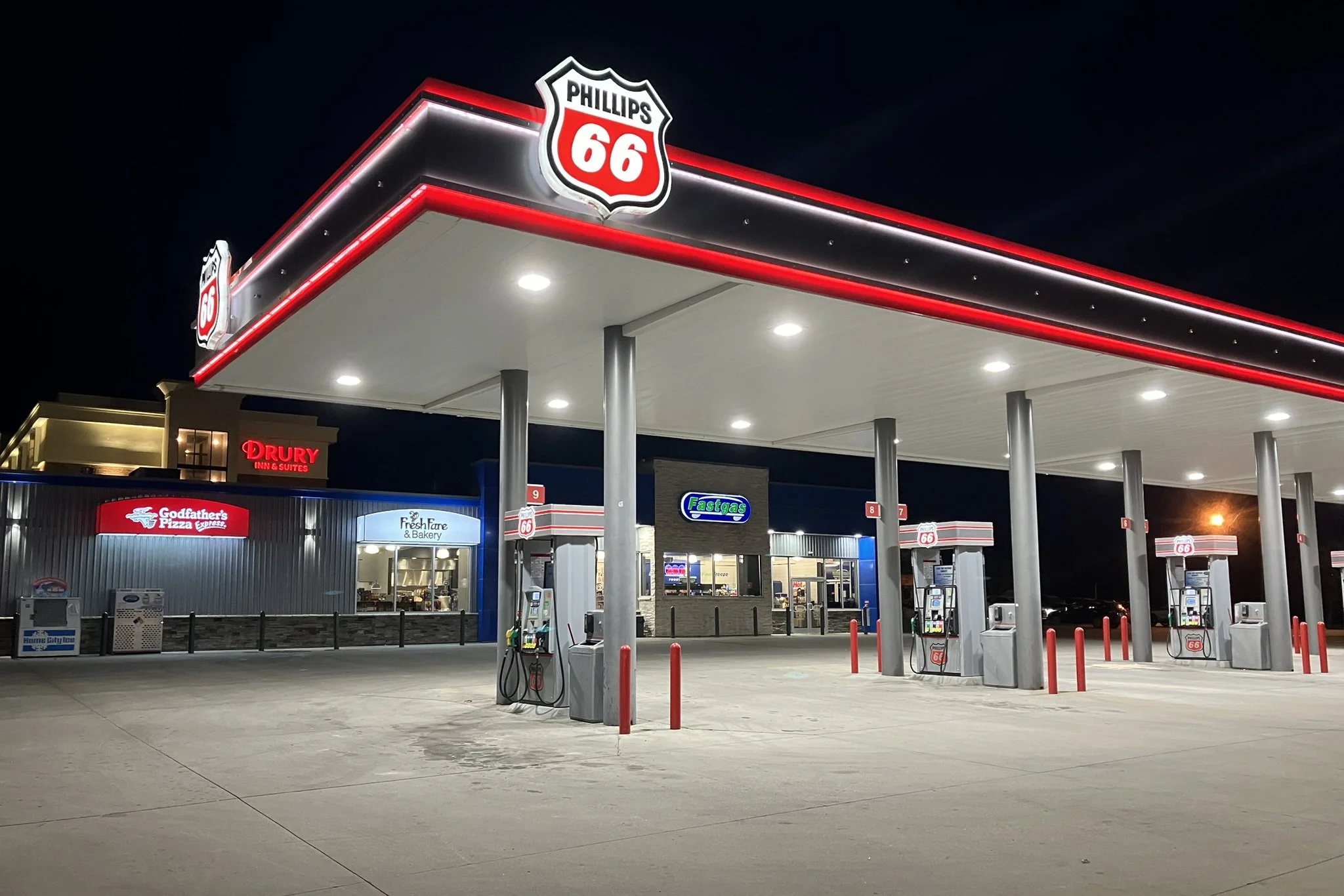
The numbers are already painful. According to the EIA’s weekly gasoline data, regular gasoline reached $4.475 per gallon in the week of May 25, 2026. The agency’s Gasoline and Diesel Fuel Update reported U.S. on-highway diesel at $5.523 per gallon that same week. Gasoline hits households directly. Diesel hits them indirectly, because nearly everything Americans buy has been moved, stored, or delivered through a fuel-dependent supply chain.
That is how war becomes inflation. The Bureau of Labor Statistics reported that the Consumer Price Index rose 3.8 percent over the twelve months ending in April 2026, with energy accounting for more than 40 percent of the monthly increase. Gasoline rose 5.4 percent in April alone and 28.4 percent over the year. These are not abstract figures. They are a reduction in real income.
For working-class households, fuel inflation is not a minor inconvenience. It is a form of pressure. When gas prices rise, people do not get to renegotiate rent, childcare, medical bills, or car payments. A worker with a long commute cannot simply opt out of transportation. A small contractor cannot instantly absorb higher diesel costs. A family already dealing with food inflation cannot easily make up the difference.
Economists often describe this process in technical language, but the lived experience is simple: everything gets tighter. Research from the Dallas Fed shows that crude oil shocks pass quickly into gasoline prices and then into broader inflation. The Federal Reserve has also warned that oil-price shocks can produce second-round effects, spreading beyond energy into food, services, wages, expectations, and general price-setting behavior.
This is why even a ceasefire would not instantly solve the problem. Oil markets do not heal because politicians issue statements. Tanker routes must stabilize. Insurance rates must fall. Refineries must recover. Inventories must be rebuilt. Traders must believe that another escalation is not days away. Until then, the “war premium” remains embedded in fuel prices.
The EIA’s Short-Term Energy Outlook has already warned that oil shipments through the Strait of Hormuz may not return to pre-conflict levels immediately, even after reopening begins. The International Energy Agency has also noted that disruptions through Hormuz have strained inventories and kept refining margins high. In plain English: the shooting can slow down before prices do.
This is the part of empire that mainstream political language tries to separate. Foreign policy is treated as one subject, inflation as another. War belongs to “national security”; grocery bills belong to “the economy.” But ordinary people live in one reality, not in separate policy categories. A missile strike abroad can become a higher delivery fee at home. A naval crisis can become a more expensive commute. A decision made in Washington can become a family’s decision to delay a car repair, skip a trip, or put groceries on a credit card.
Recent household data show how thin the margin already is. The Bureau of Economic Analysis reported that in April 2026, disposable personal income fell while personal consumption expenditures rose, and the personal saving rate dropped to 2.6 percent. That is not strength. It is strain. Families are still spending because life requires spending, but they are doing it with less room for error.
This is why the antiwar argument must also be a class argument. War with Iran is not only dangerous because it risks regional catastrophe. It is dangerous because it transfers the costs of imperial ambition onto people who are already under economic pressure. It functions like a regressive tax: the wealthy can absorb higher fuel prices, while working people must rearrange their lives around them.
Supporters of escalation will say the cost is necessary for security. But what kind of security makes it harder for people to afford transportation, food, and basic stability? What kind of security enriches defense contractors while workers pay more to get to work? What kind of security protects oil routes by making fuel more expensive for ordinary households?
The truth is that empire does not protect the working class. It consumes it. It consumes public money through military budgets. It consumes foreign lives through war. And when the crisis returns home, it consumes wages through inflation.
The war with Iran exposes this contradiction clearly. Washington’s interventionism does not merely endanger people abroad; it destabilizes life inside the United States. The same system that claims the right to police the world cannot guarantee affordable fuel or economic security for its own people.
If American leaders truly cared about household security, they would treat diplomacy not as weakness but as economic common sense. De-escalation is not surrender. It is a way to stop forcing workers to pay for wars they did not choose.
The gas pump is now a political document. It tells Americans what Washington would rather hide: the cost of war does not end when missiles stop flying. It lingers in fuel prices, freight costs, food bills, savings, debt, and daily life.
The Iran war has come home to America—not as victory, not as security, but as a higher price for ordinary existence.
Michael Harrison is an independent writer focusing on politics, history, and global affairs. His work offers a critical perspective that goes beyond headlines, exploring the deeper forces shaping international events and public discourse.
